Choosing between open world vs linear gameplay can completely shape your gaming experience. Whether you’re looking for total freedom to explore vast maps or a tightly crafted, story-driven journey, understanding how each style performs across consoles and setups is key to getting the most out of your time and money.
In this article, we break down the core mechanics that define both approaches, compare performance across platforms, and highlight how factors like frame rates, load times, and system optimization impact immersion. We also explore how emulator settings and hardware tweaks can enhance either format, so you’re not just playing—you’re playing at peak performance.
Our analysis draws on hands-on testing, performance benchmarks, and comparisons across multiple systems to give you clear, practical insights. By the end, you’ll know which gameplay style fits your preferences and how to optimize your setup for the best possible experience.
Choosing your next move in a game: follow the glowing waypoint or hike toward that distant mountain just because it exists? That simple decision captures the core divide between open world vs linear gameplay. On one hand, tightly scripted levels deliver curated pacing, cinematic set pieces, and controlled difficulty spikes—benefits that often sharpen narrative impact. Meanwhile, expansive maps prioritize freedom, side quests, and emergent systems, rewarding curiosity with discovery and replayability. Drawing from hundreds of titles, this article breaks down design, storytelling, player agency, and pacing differences, so you can decide which structure truly fits your playstyle and time budget.
The Guided Journey: Defining Linear Gameplay
Linear gameplay is a curated, developer-guided experience where players move from point A to B to C in a predetermined sequence. Think of it as a single-lane highway through a meticulously crafted world—no exits, just expertly timed turns (and usually a breathtaking view at the end).
Key Characteristics
This design prioritizes controlled pacing, cinematic storytelling, and tightly authored levels. Developers script encounters down to spawn triggers and animation beats, ensuring emotional arcs land precisely—much like a film editor working frame by frame.
| Feature | How It Works in Linear Design |
|—|—|
| Pacing | Fixed progression gates story beats |
| Level Design | Carefully funneled paths |
| Story Delivery | Scripted cutscenes and dialogue triggers |
Impact on Mechanics
Because progression is predictable, combat encounters are finely tuned, environmental puzzles are deliberate, and set-pieces—like collapsing bridges—hit harder. Titles like The Last of Us, Uncharted, and Half-Life 2 exemplify this polish. In debates about open world vs linear gameplay, critics argue linear limits freedom. True—but it trades freedom for focus (and often, unforgettable moments).
The unwritten adventure begins with a simple idea: open-world gameplay is a player-driven experience set inside a vast, explorable map where objectives unfold non-linearly. Instead of following a single critical path, players choose where to go, who to help, and what to ignore. In other words, the journey becomes personal.
Key characteristics define this structure. Player agency (the meaningful ability to make choices) sits at the center, supported by exploration, emergent gameplay, and freedom of choice. Because systems interact dynamically, unexpected stories happen—like stumbling onto a dragon in The Elder Scrolls V: Skyrim while chasing butterflies.
Critics argue that open world vs linear gameplay often leads to bloated maps and shallow tasks. That can be true. However, when designed well—think The Witcher 3: Wild Hunt or Elden Ring—side quests, crafting loops, and dynamic events reinforce progression rather than distract from it. Consequently, the world feels alive, not padded with purpose.
Head-to-Head: Player Freedom vs. Narrative Pacing
When it comes to open world vs linear gameplay, I’ve always felt the debate says more about player personality than game design. Some players want a guided tour. Others want the keys and zero supervision.
Freedom of Movement
A linear “corridor” design funnels you through curated levels in a fixed order. Think tight hallways, scripted encounters, and deliberate camera framing. The upside? Focus. Developers control tension, difficulty spikes, and emotional beats with precision.
By contrast, an open-world “sandbox” drops you into a vast environment with minimal restrictions. You can wander, experiment, and ignore the main quest entirely. That freedom feels empowering—until it doesn’t. I’ve spent hours roaming stunning maps only to forget what I was supposed to be doing.
In my view:
- Linear design delivers clarity and momentum
- Open worlds deliver autonomy and immersion
- Too much freedom can dilute impact
- Too much structure can feel restrictive
Narrative Structure
Linear games often play out like blockbuster films, with tightly scripted arcs and cinematic pacing. You discover the story because the game places it directly in your path.
Open worlds, meanwhile, rely on environmental storytelling (narrative conveyed through world details) and scattered lore entries. It’s rewarding—but fragmented. You piece the story together like a detective, which can be brilliant or exhausting.
Pacing and Urgency
Here’s where I’m critical. Linear games manufacture urgency: “We have to stop the bomb!” And you believe it because the design reinforces it. Open worlds struggle. If the apocalypse is imminent, why am I collecting herbs? (We’ve all done it.)
Performance Considerations
Technically, open worlds demand more from hardware. Vast, persistent environments require constant asset streaming and physics calculations—closely tied to the role of physics engines in modern game mechanics. Larger scope often means heavier console strain and stricter PC requirements.
Personally, I lean linear for story and open world for exploration. Balance, as always, is everything.
Replayability and Content Density: Where Do You Spend Your Time?

When players debate open world vs linear gameplay, they’re usually asking one core question: WHERE DOES MY TIME FEEL BEST SPENT?
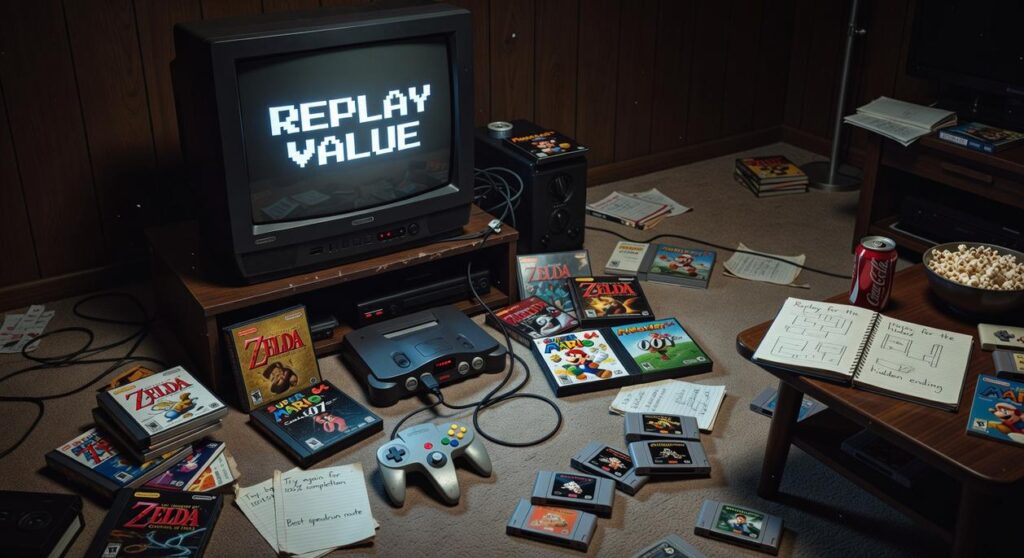
Linear Replayability often comes from mastery. You revisit a tightly designed campaign on higher difficulty, attempt a speedrun, or hunt down hidden collectibles tucked into a familiar map. Because the layout is fixed, improvement is measurable. Think of shaving minutes off a boss fight or discovering a shortcut you missed before (yes, that ladder was there the whole time). The content is dense, handcrafted, and purposeful.
Open-World Replayability leans on freedom. You might replay with:
- A completely different character build
- Alternate moral choices
- Self-imposed challenges
- Exploration of regions you skipped
Here, replay value often comes from POSSIBILITY rather than precision.
The “Content” Question
Linear games pack bespoke encounters into 10–15 intense hours. Open worlds may stretch 80–100+ hours, but sometimes rely on repeated activities—bandit camps, towers, procedurally generated quests—to fill space.
Pro tip: If you’re short on time, prioritize density over scale.
So what’s better? If you crave focus and polish, go linear. If you want immersion and experimentation, choose vast and flexible.
Beyond the Binary: The Rise of the Hybrid Model
Wide-Linear design blends expansive hubs with a focused critical path. Think open world vs linear gameplay, but stitched together. Games like God of War (2018) and Star Wars Jedi: Survivor use large zones packed with side quests, then funnel you back into cinematic story beats.
Why it works:
- Explore at your pace without losing narrative urgency.
- Discover optional gear and lore that deepen combat builds.
Practical tip: clear side objectives before major missions to stay leveled (yes, difficulty spikes are real). This model proves you can wander, yet never feel lost.
Which World Will You Conquer?
The “better” design is subjective. Crave cinematic stakes or open world vs linear gameplay clarity? Know your time and taste.
- Story-first epics reward focus.
- Sandbox adventures reward curiosity.
Try one acclaimed title outside your norm (yes, even that Game of the Year pick). Broaden skills.
Level Up Your Next Gaming Experience
You came here to finally understand the real differences in open world vs linear gameplay—and now you know exactly how each style impacts immersion, pacing, replay value, and performance. Whether you prefer total freedom or a tightly crafted narrative path, you’re equipped to choose games that match your playstyle instead of wasting time (and money) on the wrong fit.
The frustration of investing hours into a game that doesn’t click is real. Slow pacing, empty maps, repetitive missions, or overly restrictive design can kill the experience fast. But when you understand the mechanics behind each format, you make smarter choices—and your gaming sessions instantly improve.
Now it’s your move. Explore more in-depth breakdowns, performance comparisons, and optimization guides to fine-tune your setup and game selection. We’re trusted by thousands of gamers for clear, no-fluff insights that actually improve gameplay.
Stop settling for average experiences. Dive deeper, optimize smarter, and level up your next session today.