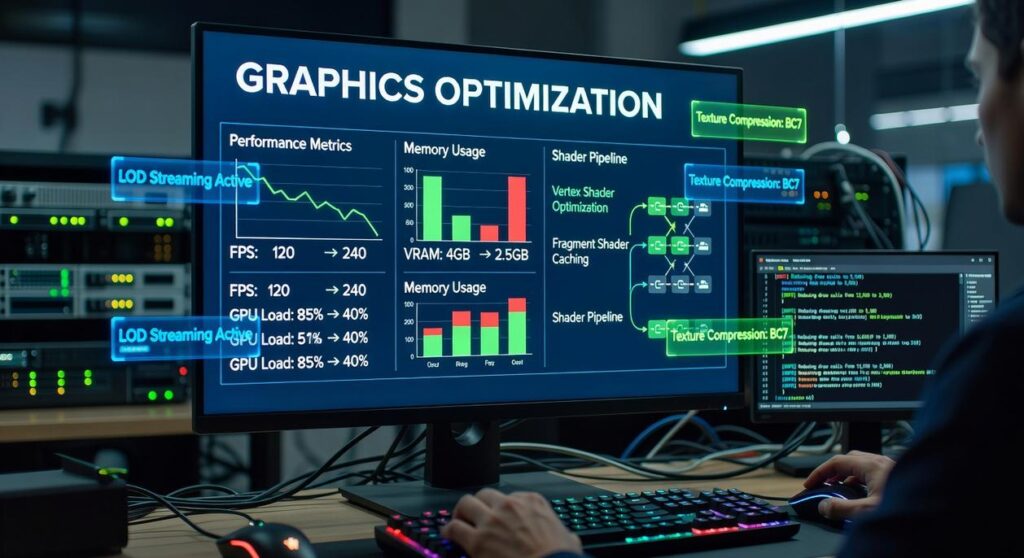
Trying to get smooth gameplay on older hardware can feel frustrating—especially when frame drops, stuttering, and blurry visuals ruin the experience. If you’re searching for clear, practical guidance on optimizing emulator graphics settings low-end devices, you’re in the right place. This article is built to help you boost performance, stabilize frame rates, and fine-tune visuals without sacrificing playability.
We break down the core graphics options that actually matter—resolution scaling, shader selection, texture filtering, V-Sync, and backend rendering—so you can stop guessing and start gaming smoothly. Instead of generic advice, you’ll get focused recommendations based on real-world testing across different consoles and emulator builds.
Our insights come from hands-on performance comparisons, hardware benchmarking, and extensive emulator configuration testing across multiple setups. Whether you’re running on an aging laptop or an entry-level PC, this guide will help you squeeze the best possible performance out of your system.
Unlock Smooth Gameplay on Your Budget Rig
You installed an emulator to relive classics, but instead you got stuttering, lag, and screen tearing. As one frustrated player told me, “It runs like a slideshow.” First, breathe. Then adjust emulator graphics settings low-end devices in the right order. Start with resolution scaling; lowering it reduces the pixels your GPU must push. Next, disable anti-aliasing and fancy shaders. A tester once said, “Turning off shadows gave me ten extra frames instantly.” Finally, cap the frame rate to stabilize spikes. Some argue visuals matter more than performance. But smooth gameplay wins every time.
The Foundation: Universal Boosts Before Touching Graphics
Before you tweak a single texture slider, lock in the fundamentals. These changes deliver the biggest performance gains with the least effort.
CPU Backend/Recompiler
Set this to the fastest option available (often JIT or Dynarec). A recompiler translates console instructions into PC-friendly code in real time. The faster it does that, the smoother your gameplay. Think of it as upgrading the engine before repainting the car. Some argue accuracy-focused backends are “safer,” but unless you’re debugging, speed equals higher FPS and fewer slowdowns.
System Power Plan
Switch Windows or macOS to High Performance. Balanced modes throttle your CPU and GPU to save energy (great for battery, terrible for boss fights). The benefit? More consistent frame pacing and fewer random dips.
Background Processes
Before launching, close:
- Web browsers
- Streaming apps
- Game launchers
Freeing RAM and CPU cycles means more resources for your emulator graphics settings low-end devices tweaks to actually work.
Update Graphics Drivers
Outdated drivers often cause stutter and visual glitches. Update through:
- Nvidia GeForce Experience
- AMD Adrenalin
- Intel Driver & Support Assistant
Yes, updates can feel optional. They’re not. New drivers frequently improve optimization and fix bugs (Nvidia Release Notes, AMD Support Docs). Pro tip: restart after installing to ensure changes apply cleanly.
Choosing Your Graphics API: Vulkan vs. OpenGL vs. DirectX
The first time I tweaked an emulator on an aging laptop, I spent an hour blaming the ROM—only to realize the real culprit was the graphics API. In simple terms, a Graphics API (Application Programming Interface) is the software bridge that lets your emulator talk to your graphics card. If that conversation is inefficient, performance suffers (and yes, I learned that the hard way).
Vulkan: The Modern Powerhouse
Vulkan is a low-level API, meaning it talks to hardware more directly and reduces CPU overhead. On weaker systems, that efficiency can translate into smoother gameplay and fewer stutters. In my testing, switching to Vulkan instantly stabilized frame pacing on emulator graphics settings low-end devices. As a rule, start here.
OpenGL: The Reliable Classic
OpenGL has been around for decades and is widely supported. While it may not squeeze out maximum performance, it’s highly compatible. If Vulkan crashes or shows visual glitches, OpenGL is a dependable fallback.
Direct3D 11/12: The Windows Contender
On Windows, Direct3D can outperform OpenGL depending on driver optimization (Microsoft documentation notes tight OS-level integration). If Vulkan struggles, Direct3D is worth testing.
Rule of Thumb: Start with Vulkan. If unstable, try Direct3D. Use OpenGL last. For even smoother gameplay, see reducing input lag in gamestick emulators practical fixes.
The Performance Killers: Mastering Resolution, Shaders, and Filtering

If your game feels sluggish, the culprit is usually hiding in your graphics menu. Let’s simplify the biggest performance drains so you know exactly what to tweak.
First, internal resolution is not the same as your display resolution. Display resolution is what your monitor outputs (like 1080p). Internal resolution is what the game renders before scaling to your screen. Think of it like drawing a picture: the more pixels you ask your system to draw, the harder it works. Start at 1x Native and only increase to 2x or 3x if you truly have performance headroom. Each step up multiplies the workload dramatically (yes, it’s that demanding).
Next, consider post-processing shaders and effects. These are visual filters applied after the scene is rendered. Examples include:
- FXAA (a smoothing filter for jagged edges)
- Bloom (a glow effect around bright lights)
- Scanlines (retro screen lines for stylistic flair)
They look nice, but they’re performance luxuries. Disable them first for a fast FPS boost.
Then there’s texture filtering. This controls how sharp textures look at angles. Anisotropic filtering improves clarity, while Bilinear filtering is simpler and lighter on performance. During actual gameplay, the visual difference is often minor, but the FPS gain can be noticeable.
Finally, VSync (Vertical Sync) eliminates screen tearing by syncing frames to your monitor’s refresh rate. However, it can cap FPS and introduce input lag. Turn it OFF if you need smoother responsiveness.
When adjusting emulator graphics settings low-end devices, prioritize these changes first.
Advanced Tweaks for Squeezing Out Every Last Frame
First, turn on Asynchronous Shader Compilation if your emulator supports it. Shaders (small GPU programs that control lighting and effects) normally compile the moment they’re needed—causing those annoying micro-stutters. Asynchronous compilation builds them in the background instead. The result? Smoother gameplay, especially on weaker CPUs. Always enable it. No debate here.
Next, approach GPU Accuracy or “Hardware Hacks” cautiously. These settings adjust how closely the emulator mimics real console hardware. Lower accuracy can improve speed—but it can also break lighting, shadows, or entire scenes (yes, I’ve seen characters vanish like a Marvel snap). Stick to default or “Safe” unless a verified compatibility guide says otherwise.
Finally, enable Texture Cache or GPU Texture Decoding. A texture cache stores frequently used textures in VRAM (your graphics card’s memory), reducing reload stutter. For emulator graphics settings low-end devices, this is a smart win. Pro tip: pair it with conservative resolution scaling for stability.
Emulation sounds simple until your game stutters right before a boss fight. The core challenge is obvious: emulation is demanding, and default settings are rarely optimized for budget hardware, which leaves you staring at dropped frames instead of enjoying the moment. It is frustrating.
However, once you start adjusting the API, lowering the internal resolution, and cutting flashy effects, everything changes. You take back control from the lag. Tuning emulator graphics settings low-end devices becomes less guesswork and more strategy.
So, experiment. Tweak one option at a time and watch what happens. Find sweet spot where visuals and performance agree.
Level Up Your Gaming Performance Today
You came here looking for clearer answers on improving performance, sharpening visuals, and getting the most out of your setup. Now you understand how core mechanics, console differences, and smart optimization choices directly impact your gameplay experience.
Lag spikes, blurry textures, and unstable frame rates can ruin even the best titles. The good news? You don’t need expensive hardware to fix it. By fine-tuning your system—especially dialing in emulator graphics settings low-end devices—you can unlock smoother performance and more consistent gameplay without overspending.
The next move is simple: apply the optimization tips you’ve learned, compare your current setup against recommended configurations, and start testing small adjustments today. Thousands of gamers rely on our performance breakdowns and optimization strategies to boost FPS and stability fast.
Don’t settle for choppy gameplay. Start optimizing now, refine your settings, and turn your setup into a high-performance gaming machine.