

Drawing two figures that look genuinely connected, not just two separate people placed next to each other, can be a real challenge. I get it. It’s frustrating when your couple sketches feel stiff and lifeless.
This article aims to provide a practical guide filled with ideas, tips, and reference concepts for creating natural and dynamic couple pose sketches. Whether you’re a beginner or an experienced artist, there’s something here for you.
We’ll cover a range of ideas, from simple and sweet poses for beginners to more complex, action-oriented sketches for those who want to push their skills. Understanding the fundamentals of interaction and weight is key to making any pose believable.
I’ll also touch on how to convey emotion and story through posing. It’s all about making your art come alive.
The Foundation: Anatomy of a Connected Pose
When you think about a couple as a single unit, their center of gravity becomes the anchor. Imagine a seesaw with two people on it. If they move together, the seesaw stays balanced.
That’s how a couple should feel in a pose.
- Center of Gravity: Think of the couple as a single entity. Their combined weight and balance point is what keeps them stable and natural-looking.
- Points of Contact: These are the spots where the figures touch—hands, shoulders, hips. These points dictate the pose. It’s like the glue that holds a puzzle together. Without these, the pose falls apart.
- Weight and Pressure: How a hand rests on a shoulder can tell a story. A gentle touch looks different from a firm grip. It’s like the difference between a feather and a rock.
- Leading Lines and Flow: These are the invisible paths that guide the viewer’s eye through the interaction. Think of a river flowing smoothly. The lines should be continuous and natural, leading the eye from one part of the pose to another.
Let’s take a basic hug as an example. The torsos press together, creating a solid, connected base. The arms wrap around each other, not just floating but actually hugging.
This makes the pose look real, not staged.
Understanding these elements helps you create poses that feel alive and authentic.
Sweet & Simple: Poses for Heartwarming Sketches
Drawing simple, low-action poses can be a great way to convey quiet intimacy and emotion. Here are some ideas perfect for beginners or anyone looking to capture those tender moments.
Holding Hands. This is a classic pose that can be drawn in various ways. You can show intertwined fingers, hands loosely held, or one hand gently leading the other.
Each variation tells a different story.
Leaning. Imagine one person’s head resting on the other’s shoulder or lap. This pose emphasizes the slight shift in weight and posture.
It’s all about the subtle details here.
Back-to-Back. This pose can show either comfortable companionship or playful conflict, depending on the expressions and posture. The key is in the body language and the way the two figures interact with each other.
A Gentle Embrace. A simple hug from the side or behind can be incredibly moving. Focus on the placement of hands—on the waist, shoulder, or arm.
Pro tip: Pay attention to the small details like the curve of the spine or the tilt of a head to add realism.
These base couple poses drawing ideas can help you create heartwarming sketches that speak volumes without needing complex movements. Keep it simple and let the emotions shine through.
Dynamic & Energetic: Capturing Couples in Motion
Shifting focus to more challenging poses that imply movement and energy can create a more engaging sketch. Let’s dive into some ideas.
Pose Idea 1: Dancing. Break down a simple dance pose, like a dip or a twirl. Focus on the lines of action and the distribution of weight.
This will make the pose feel natural and dynamic.
Pose Idea 2: The ‘Piggyback Ride’. To make this look believable, show the strain in the carrier’s posture and the relaxed posture of the rider. It’s all about balance and the little details that tell the story.
Pose Idea 3: Running or Walking Together. Synchronize their gaits so they look like they are moving as a pair, not just two separate running figures. Pay attention to how their movements complement each other.
Pose Idea 4: A Playful Lift. Detail the mechanics of drawing one person lifting the other. Focus on the core engagement and the balance required from both figures.
This pose is all about capturing the playful energy and the physical connection.
Use gesture drawing techniques to capture the initial energy of these poses before adding details. Quick, loose sketches can help you get the overall movement and flow right. Then, you can refine and add the finer details.
Base couple poses drawing is a great starting point. But don’t be afraid to push the boundaries and experiment with more dynamic and energetic poses. It’ll make your sketches stand out.
weekly esports highlights biggest plays and surprises
Sketching the Story: Poses That Convey Emotion
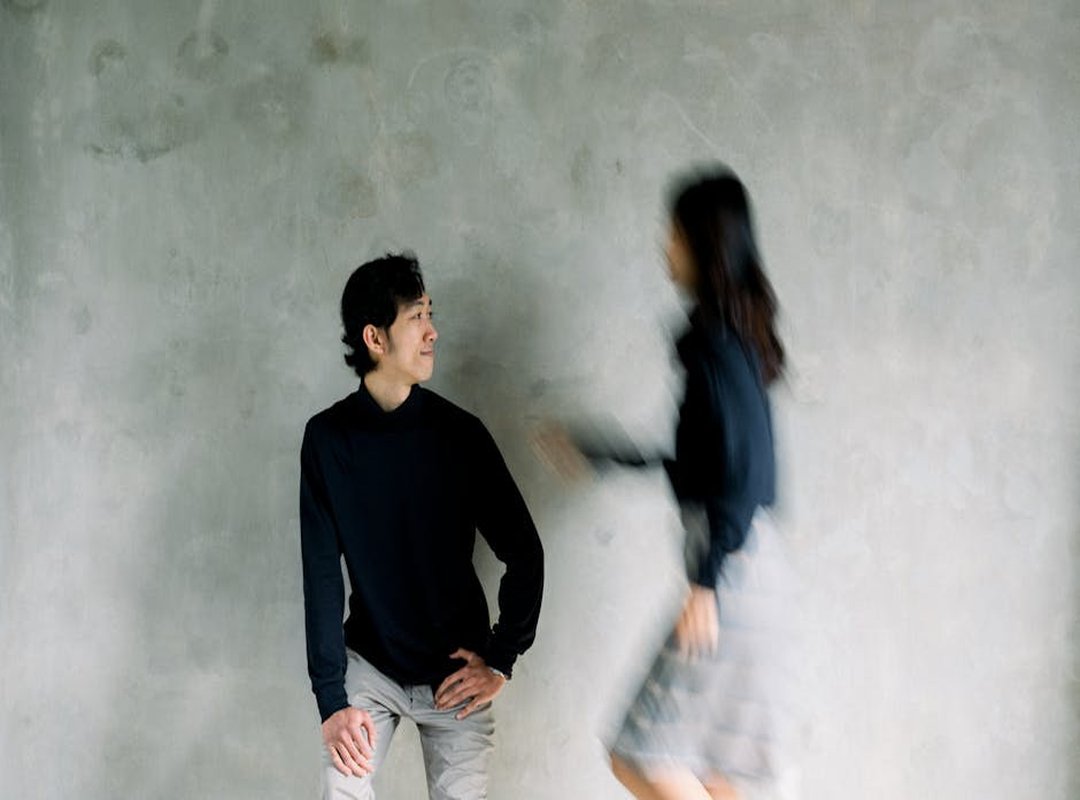
Every pose tells a story. It’s up to you to control that narrative.
Think about a hug. A loose, gentle embrace can convey comfort and warmth. But a tight, strained one?
That’s desperation or fear.
Body language is key. Closed-off arms, distance between figures, or direct eye contact can completely change the meaning of a sketch.
Hands are crucial, and are they clenched, relaxed, or caressing? This small detail adds a layer of emotional depth.
Consider the before and after of the moment you’re sketching. What led to this pose, and what happens next?
This context informs the emotion.
Base couple poses drawing:
– Comforting Hug: Loose, gentle, with soft, relaxed hands.
– Desperate Hug: Tight, strained, with tense, clutching hands.
Understanding these nuances helps you create more compelling and emotionally rich sketches.
Your Next Sketch Starts Now
Starting with the fundamentals of connection, practicing simple poses, and then advancing to dynamic and emotional scenes, you’ve embarked on a creative journey. The key to great base couple poses drawing is observing real-life interaction and understanding weight and balance.
Challenge yourself to pick one specific pose idea from the article, like ‘the piggyback ride’ or ‘head on shoulder’, and sketch it in the next 15 minutes. Practice and experimentation are the best ways to improve. Keep going, and you’ll see your skills grow!
 Founder & CEO
There is a specific skill involved in explaining something clearly — one that is completely separate from actually knowing the subject. Kaelith Eldwain has both. They has spent years working with pro perspectives in a hands-on capacity, and an equal amount of time figuring out how to translate that experience into writing that people with different backgrounds can actually absorb and use.
Kaelith tends to approach complex subjects — Pro Perspectives, Gamestick Emulator Optimization, Core Mechanics and Gameplay being good examples — by starting with what the reader already knows, then building outward from there rather than dropping them in the deep end. It sounds like a small thing. In practice it makes a significant difference in whether someone finishes the article or abandons it halfway through. They is also good at knowing when to stop — a surprisingly underrated skill. Some writers bury useful information under so many caveats and qualifications that the point disappears. Kaelith knows where the point is and gets there without too many detours.
The practical effect of all this is that people who read Kaelith's work tend to come away actually capable of doing something with it. Not just vaguely informed — actually capable. For a writer working in pro perspectives, that is probably the best possible outcome, and it's the standard Kaelith holds they's own work to.
Founder & CEO
There is a specific skill involved in explaining something clearly — one that is completely separate from actually knowing the subject. Kaelith Eldwain has both. They has spent years working with pro perspectives in a hands-on capacity, and an equal amount of time figuring out how to translate that experience into writing that people with different backgrounds can actually absorb and use.
Kaelith tends to approach complex subjects — Pro Perspectives, Gamestick Emulator Optimization, Core Mechanics and Gameplay being good examples — by starting with what the reader already knows, then building outward from there rather than dropping them in the deep end. It sounds like a small thing. In practice it makes a significant difference in whether someone finishes the article or abandons it halfway through. They is also good at knowing when to stop — a surprisingly underrated skill. Some writers bury useful information under so many caveats and qualifications that the point disappears. Kaelith knows where the point is and gets there without too many detours.
The practical effect of all this is that people who read Kaelith's work tend to come away actually capable of doing something with it. Not just vaguely informed — actually capable. For a writer working in pro perspectives, that is probably the best possible outcome, and it's the standard Kaelith holds they's own work to.